🛠️ Mastering Bare Metal Backup: RAID, Snapshots & Offsite Strategies for Total Data Safety
🛠️ Bare Metal Backup Strategies: RAID, Snapshots & Offsite Plans
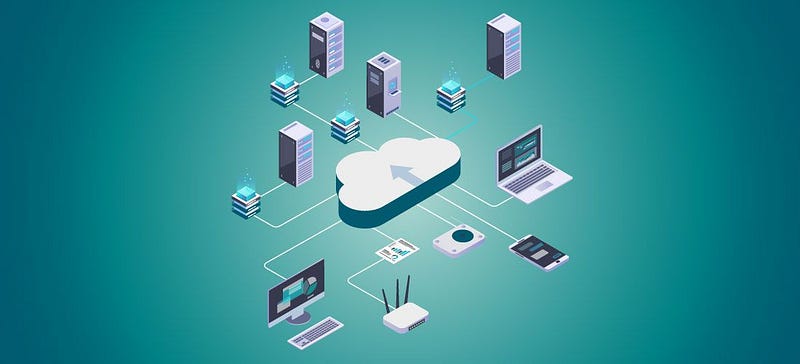
In the fast-paced world of modern IT infrastructure, bare metal servers are the backbone for performance-critical workloads — from enterprise applications to high-speed trading platforms. But with great power comes a great need for robust backup strategies.
In this blog, we’ll explore how to properly back up your bare metal servers using a combination of RAID configurations, snapshots, and offsite plans — and how VCCLHOSTING helps businesses implement enterprise-grade disaster recovery.
🔁 Why Backup Matters for Bare Metal Servers
Bare metal servers are single-tenant, high-performance machines — perfect for businesses that require complete hardware control. But unlike cloud servers, they don’t come with built-in resilience or snapshots unless you set them up.
If your bare metal server fails and you don’t have a recovery plan, you risk permanent data loss. That’s why every enterprise should have layered backup strategies in place.
🧱 1. RAID: The First Line of Redundancy
RAID (Redundant Array of Independent Disks) helps improve both performance and redundancy.
⚙️ Common RAID Levels for Backup:
- RAID 1 (Mirroring): Real-time disk duplication. Ideal for small setups.
- RAID 5/6: Striping with parity — balances performance and fault tolerance.
- RAID 10: Combines mirroring and striping. Excellent for high I/O workloads.
🚨 Note: RAID is not a backup solution, but it reduces the risk of downtime due to single-disk failure.
📸 2. Snapshots: Fast Recovery Points
Snapshots are point-in-time images of your system. They’re incredibly useful for:
- Rolling back after updates or misconfigurations.
- Quick recovery from ransomware or file corruption.
- Testing environments without risk to live systems.
💡 Snapshot Tips:
- Schedule daily or hourly snapshots.
- Store snapshots separately from production disks.
- Combine with file versioning for enhanced safety.
☁️ 3. Offsite & Cloud Backups: The Final Shield
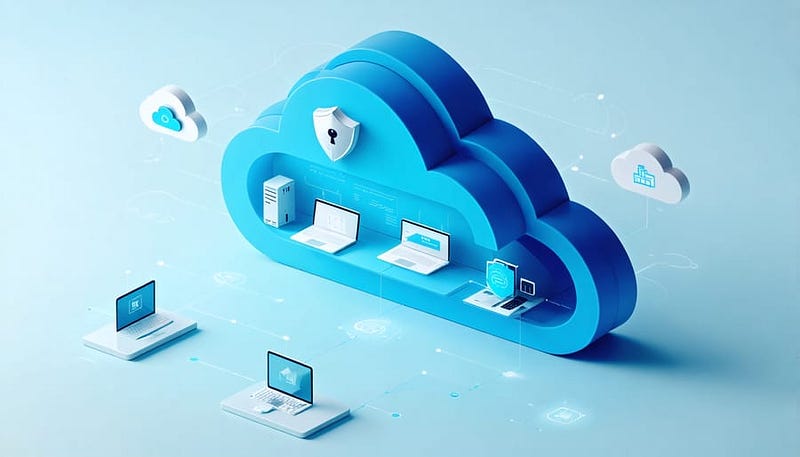
Even with RAID and snapshots, your data is still physically located on one server or datacenter. That’s why offsite backups are critical.
🔐 Offsite Strategy Best Practices:
- Back up to cloud object storage (e.g., AWS S3, Backblaze).
- Use encrypted backup protocols like rsync + SSH, or Duplicity.
- Implement 3–2–1 Backup Rule:
- 3 copies of your data
- 2 different storage mediums
- 1 offsite copy
✅ VCCLHOSTING’s Approach to Bare Metal Backups
At VCCLHOSTING, we know how crucial uptime and data protection are for businesses. That’s why we offer:
- RAID-configured bare metal servers
- Custom snapshot scripting
- Integrated offsite backup storage
- Disaster recovery consulting
Our team helps clients architect their ideal recovery plan — ensuring zero surprises during failure events.
📌 Final Thoughts
A bare metal server is a powerful asset — but it’s only as reliable as the backup plan behind it. By combining RAID for real-time resilience, snapshots for fast rollbacks, and offsite storage for disaster protection, you can build a bulletproof backup strategy.
Need help setting up your dedicated server with RAID and secure backups?
👉 Talk to VCCLHOSTING Experts Now and disaster-proof your infrastructure today.
Comments
Post a Comment